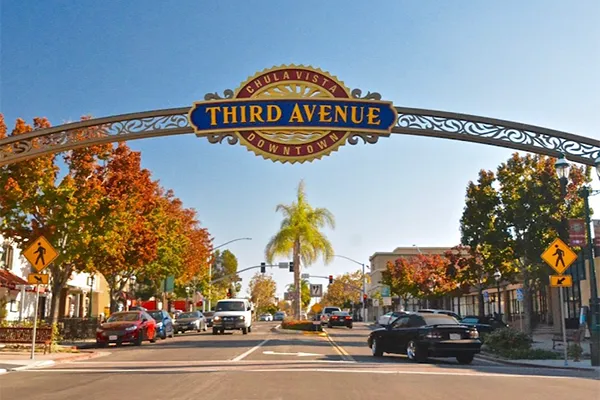
Explore Chula Vista: San Diego's Vibrant Retreat
Travel, Chula Vista, Neighborhood Guides
Chula Vista: San Diego’s South Bay Gem
Discover why Chula Vista has become one of San Diego County’s most dynamic South Bay communities, where bayfront views, neighborhood parks, family‑friendly attractions, and a growing dining scene come together in a setting that doesn’t have to revolve around long drives.
Evenings in Chula Vista
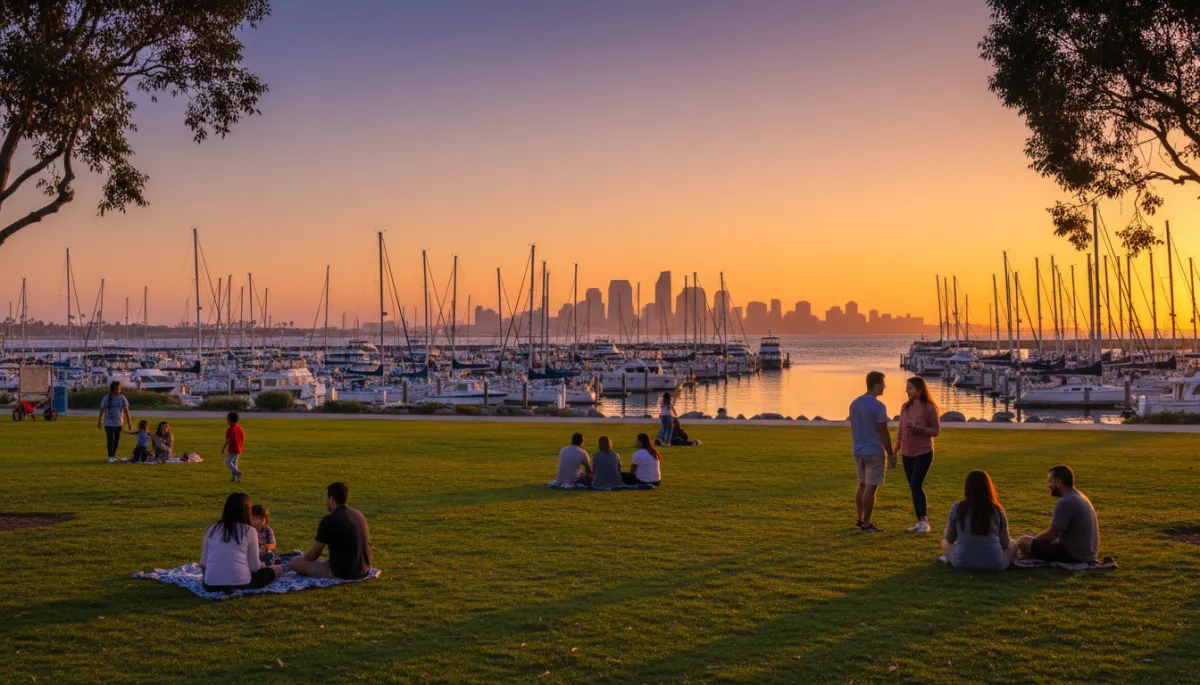
A South Bay hub for dining, local shops, and bay breezes
What Makes Chula Vista, San Diego County, So Special?
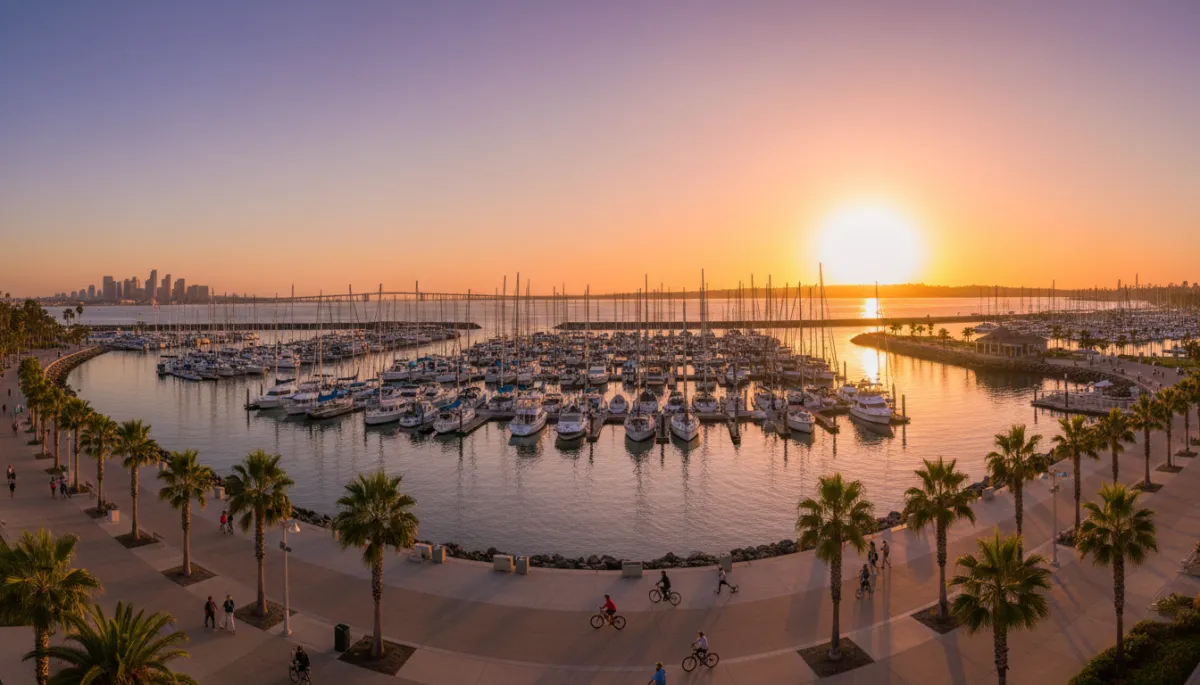
Chula Vista stretches between the San Diego Bay and the foothills of the coastal mountains in South Bay, where waterfront parks, established neighborhoods, and newer master‑planned communities sit side by side. Instead of feeling like a single tourist zone, it combines authentic South Bay character with family‑oriented neighborhoods, regional attractions, and a growing urban core along the bayfront and in western Chula Vista. A mix of single‑family homes, townhouses, and apartments sits near major corridors and quieter residential streets, with Third Avenue Village and the Chula Vista Bayfront area serving as central hubs for dining and entertainment.
The area’s appeal comes from the way daily life connects with parks, open spaces, and the bay. Mornings might begin with people walking dogs through neighborhood greenbelts, paddling or cycling near the waterfront, or commuting along major routes that link Chula Vista to the rest of the region. Later in the day, visitors and residents spend time at Third Avenue Village, the Chula Vista Marina, regional shopping centers, local breweries, and community parks. Chula Vista is both a residential community and a destination, where long‑time residents and visitors share public spaces, restaurants, and bayfront paths in a setting that feels lived‑in, diverse, and welcoming.
Chula Vista’s Emerging Village and Bayfront Core
Chula Vista has earned renewed attention as a South Bay hub by keeping its historic village streets and expanding bayfront district at the heart of the experience. Along and around Third Avenue, you’ll find independent shops, breweries, tasting rooms, and long‑standing restaurants instead of large, anonymous complexes, encouraging you to slow your pace and spend time in locally owned spots that reflect the neighborhood’s character.
Here, the bay and nearby hills are steady landmarks in the background. You might step out of a cafe and see palm‑lined streets stretching toward the water, catch a glimpse of the bay from certain viewpoints, or hear the sounds of community events drifting down the block. In a single outing, you can move from a waterfront park to a casual meal, browse local shops, and meet friends at a brewery or dessert spot without relying heavily on a car. Rather than centering on one attraction, Chula Vista offers a mix of bayfront paths, neighborhood parks, and village blocks that reward unhurried exploring and time spent outdoors.
💡 Pro Tip: Consider parking once near Third Avenue Village or the bayfront—or arriving by transit or rideshare—and spending your time between waterfront parks, local businesses, and restaurants. Planning your day this way helps you enjoy the South Bay setting while minimizing time spent in traffic or searching for a spot.
Coffee, Casual Dining, and South Bay Flavors
Chula Vista’s food and drink scene reflects its relaxed, community‑focused energy and rich cultural mix. Mornings often start at neighborhood coffee shops and panaderías, where residents and visitors pick up espresso drinks, sweet breads, breakfast burritos, and smoothies before heading toward work, the bay, or nearby parks. Many cafes and eateries offer patios or sidewalk seating, so you can enjoy fresh air and people‑watching while you linger over breakfast or a mid‑day break.
As the day continues, Mexican cuisine, seafood, and casual neighborhood restaurants become the main draw. Expect taco shops, mariscos spots, breweries, family‑run eateries, and restaurants that highlight regional and cross‑border flavors. Because so many options are located close to one another along Third Avenue and nearby corridors, it’s easy to create your own relaxed evening—sunset near the bay, appetizers at a local brewery, dinner in the village, and dessert or a nightcap nearby. The compact layout turns dining into a laid‑back, walkable experience rather than a series of long drives between reservations.
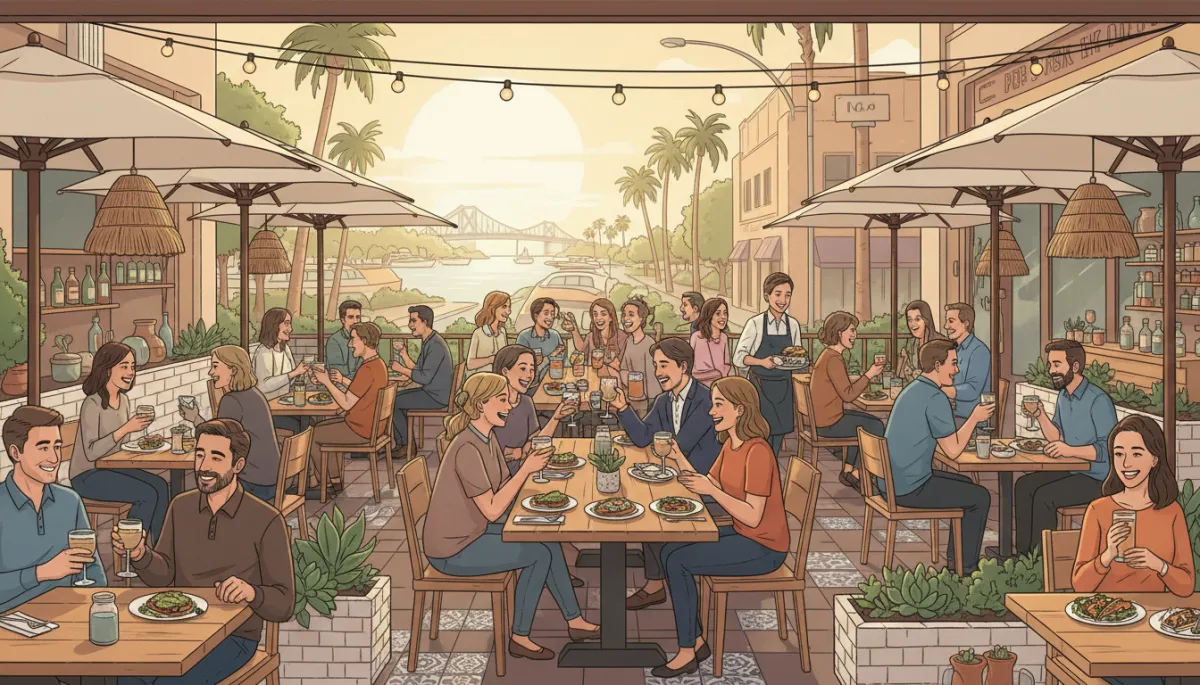
Chula Vista’s cafes, breweries, and eateries feel like neighborhood hangouts with South Bay energy.
Bayfront Parks, Trails, and Local Shops
Beyond its restaurants, Chula Vista stands out for people who enjoy time outdoors. The bayfront is a major highlight: Marina View Park, Bayside Park, and nearby marinas create a string of waterfront viewpoints where you can watch sailboats, enjoy the breeze, or simply spend time by the water. Paths, lawns, and picnic areas invite you to pause, take in the view, and appreciate the changing light over the bay and distant skyline.
Just inland, Third Avenue Village and surrounding neighborhoods offer a different kind of exploring. Independent boutiques showcase everyday wear, locally inspired goods, art, and home decor that reflect the region’s diverse, down‑to‑earth style. Local galleries, breweries, and creative spaces highlight artists and makers from across the South Bay, and community events or live music are common on many evenings. Because the area near the village and bayfront is relatively compact and gently sloped, it’s easy to design an afternoon that blends time by the water with browsing local shops and cafes.
Cost of Living in Chula Vista
Chula Vista’s location, amenities, and strong reputation as a convenient South Bay base mean the cost of living can feel moderate to high, depending on the neighborhood. Rent for homes, townhomes, and apartments near the bayfront, newer master‑planned communities, or village areas is typically higher than in some nearby communities, and properties with bay views or recent construction tend to command premium prices. Housing options farther inland or in older neighborhoods can be relatively more attainable, though still influenced by the broader San Diego housing market.
Everyday expenses vary by area. Coffee, dining, and entertainment in trendier corridors or near the bayfront can reflect growing demand, while long‑standing neighborhood spots may feel more budget‑friendly. On the positive side, Chula Vista’s village streets, parks, and bayfront areas can help reduce how often you rely on long car trips, particularly if you live close to key hubs. Many residents combine short drives with time on foot, use bikes or scooters for nearby errands, or pair ride‑shares with public transit, which can help balance transportation costs over time.
💡 Budget Tip: Mix special‑occasion dinners with taco shops, local breweries, happy‑hour menus, and simple picnics at bayfront parks or neighborhood green spaces to enjoy Chula Vista’s setting without overspending.
Pros and Cons of Chula Vista
Deciding whether Chula Vista is right for you depends on what you value most in a South Bay community. Here’s a quick look at what many residents and frequent visitors appreciate—and what can be challenging—about this part of southern San Diego County.
Pros
Bayfront views and parks: Waterfront paths, marinas, and parks provide memorable views and room to enjoy the outdoors.
Lively village and neighborhood atmosphere: Third Avenue Village and surrounding streets offer a concentrated area for dining, coffee, breweries, and local businesses in a setting that feels active and community‑oriented.
Diverse activities and attractions: Bayfront parks, regional shopping, local breweries, community events, and nearby recreation areas create options for a wide range of interests and ages.
Outdoor‑oriented lifestyle: Walking, cycling, waterfront strolls, and time at local parks are all close at hand, encouraging a healthy, active way of life.
Cons
Rising housing costs: Rents and home prices have climbed in many neighborhoods, especially near the bayfront, newer developments, or revitalized corridors.
Traffic on major routes: Commute periods and busy weekends can bring heavier traffic along freeways and main streets connecting Chula Vista to the rest of the region.
Ongoing growth and construction: Continued development, especially near the bayfront and newer communities, can mean construction activity and evolving streetscapes.
Varied feel by neighborhood: Different parts of Chula Vista can feel quite distinct, which may or may not align with every preference for density, walkability, or nightlife.
📌 Key Takeaway: If you appreciate bayfront views, a diverse and easygoing South Bay atmosphere, and the option to spend much of your free time in parks, village streets, and local businesses—and you are comfortable with rising housing and leisure costs—Chula Vista can be an especially rewarding place to live or visit.
Planning Your Visit to Chula Vista
To make the most of Chula Vista, plan for at least half a day—ideally a full day or longer. Start around Third Avenue Village, where you can spend time at cafes, restaurants, breweries, and local shops, then head toward the bayfront for a walk through Bayside Park or along marina paths. Depending on your interests, you can also add a visit to regional shopping centers, local breweries, golf courses, or nearby nature and wildlife areas.
Let the South Bay weather and your own pace guide how you experience the area. You’ll quickly see why many people consider Chula Vista one of San Diego County’s most appealing and evolving communities—and why it’s easy to spend long stretches of time enjoying its parks, bayfront paths, and village streets.